
Responsible firearm ownership involves more than simply owning a firearm. It also means understanding safe handling practices, maintaining appropriate storage, following applicable laws, and creating an environment where safety remains the priority. For owners researching Pistol Safety Accessories, the right approach is to consider products and habits that support responsible ownership rather than focusing only on performance or appearance.
Gun Pro provides a range of firearm-related products and accessories, making it important for shoppers to evaluate their needs carefully and understand the purpose of any accessory before making a decision. Whether someone is reviewing their existing setup, improving their storage practices, or learning more about responsible firearm ownership, safety should remain at the center of every decision.
This guide explores the broader role of pistol accessories from a safety and responsibility perspective. It also explains what owners should consider when reviewing accessory categories, why secure storage matters, how maintenance awareness contributes to responsible ownership, and why local laws and professional training should always be part of the process.
Why Responsible Accessory Selection Matters
A firearm setup should never be evaluated only by how many accessories it contains. Adding products without understanding their purpose can create unnecessary complexity, while choosing safety-oriented equipment with a clear purpose can contribute to better organization and responsible ownership. The first question should therefore be simple: what safety or responsible-ownership need is being addressed? This approach is particularly useful when exploring Pistol Safety Accessories because the category can include products with very different purposes. Some items may relate to storage, some to transportation, and others to general organization or maintenance. Their suitability depends on the owner’s circumstances, local regulations, and the specific firearm involved. A thoughtful approach also helps prevent impulse purchases. Instead of selecting an accessory simply because it looks useful, owners can research its intended purpose, compatibility information provided by the manufacturer, applicable restrictions, and whether professional guidance is appropriate. For an e-commerce shopper, this means product descriptions should be treated as one part of the decision-making process. Manufacturer documentation, professional instruction, and current local laws may provide additional information that should be reviewed before using any firearm-related product.
Understanding Pistol Safety Accessories
Since the term “Pistol Safety Accessories” encompasses a wide range of products, it is helpful to differentiate between accessories that are primarily meant for performance or customisation and those that are safety-focused.
In general, safety-focused equipment promotes ethical behaviours like safe storage, regulated transportation, organization, or defence against unwanted access. Not every accessory is suitable for every owner, and the specific products offered may differ depending on the retailer and jurisdiction.
Customers should look past marketing jargon when evaluating any product. Purpose, quality, compatibility, instructions, storage needs, and legal considerations are among the crucial questions.
Additionally, basic firearm safety procedures should never be replaced by an accessory. Regardless of the number of accessories, safe handling practices are still crucial. Good habits can be reinforced by equipment, but responsible behaviour, awareness, and training cannot be replaced by it.
Secure Storage Should Be a Priority
Secure storage is one of the most crucial aspects of proper gun ownership. Particularly in homes where children, guests, or other people might be present, firearms should be kept in a way that minimises the chance of unwanted access.
Storage procedures should include the owner’s situation as well as any applicable legislation. Requirements may cover access control, transportation, locking techniques, and other aspects of storing firearms, depending on the jurisdiction.
Consistent use of a secure storage solution is also necessary. The goal of having a storage system in the first place is defeated if the right equipment is purchased but a firearm is left unlocked.
For any product connected to storage, owners should study the manufacturer’s instructions and comprehend how it is supposed to work. When there is confusion, advice from a certified firearms instructor or other suitable expert can be helpful.
Transportation Requires Care and Planning
Another sector where ethical behaviour is important is transportation. Depending on whether a person is travelling locally or over state or national borders, laws pertaining to the carriage of weapons might vary greatly between jurisdictions.
Owners should learn about the current regulations that apply to their particular route and situation before moving a firearm. They shouldn’t depend on conjecture or out-of-date data.
Although the device itself does not determine whether transit is legal, it can aid in organization and security. Owners are still in charge of comprehending and abiding by the relevant regulations.
For anyone travelling between several jurisdictions, this is especially crucial. A practice that is allowed in one place could be prohibited in another.
Training Is More Important Than Accessories
Appropriate training cannot be replaced by any item.
Professional training on basic safety concepts, proper handling, storage, transportation, and relevant legal obligations might be beneficial for new gun owners. Because good procedures necessitate ongoing awareness, experienced owners might also benefit from occasional training.
Training should be provided by trained experts and tailored to the needs of the individual as well as local regulations.
When purchasing pistol safety accessories, this viewpoint is crucial since equipment should support responsible behaviour rather than take the place of teaching.
An knowledgeable owner knows why a product is being used, how to maintain it, any potential restrictions, and when to seek professional help.
Maintenance Awareness and Product Responsibility
Keeping an eye on the state of equipment is another aspect of responsible ownership. It is important to carefully follow the directions that manufacturers provide regarding the inspection, maintenance, and replacement of their products.
Owners should refrain from making haphazard changes or utilising accessories in ways that go beyond manufacturer recommendations. Professional counsel could be necessary if a product looks damaged, flawed, poorly fitting, or otherwise dubious.
This is particularly important when buying things linked to firearms online. Product pages can offer broad information and specifications, but before using them, owners should confirm critical safety and compatibility details with the relevant manufacturer documentation.
Organising product documentation, manuals, warranty information, and invoices can also help manage ownership over time.
What to Consider When Reviewing Accessories
Responsible consumers should compare products with a purpose in mind rather than just gathering extra gear. An accessory that meets a real need and can be utilised consistently and sensibly is the right one.
The product’s intended use, manufacturer instructions, compatibility information, material and construction specifications, storage requirements, and pertinent legal constraints are all important considerations.
Whether the product adds more complexity is another factor to take into account. It would be better to have a straightforward solution that clearly meets a safety need rather than an overly complex arrangement.
Product descriptions, specifications, customer service details, and manufacturer documentation can all assist online consumers in determining whether an item merits additional consideration.
Building a Safety-Focused Ownership Routine
Owning a firearm can become more organised with a sensible routine. Owners might approach safety as a continuous responsibility rather than as a singular effort.
This entails regularly adhering to safe handling procedures, keeping safe storage, reviewing pertinent laws, organising paperwork, and, if needed, obtaining expert training.
Because responsible ownership significantly relies on consistency, a routine is especially helpful. Just because a firearm is well-known or its owner has years of experience does not mean that safety procedures should be abandoned.
The same holds true for accessories. An accessory should serve a specific function, be used in accordance with its guidelines, and continue to be a part of a larger safety-conscious strategy.
Two Common Mistakes to Avoid
Buying an accessory before knowing its purpose is a frequent error. Online shopping makes it simple to swiftly add items to a cart, but purchases relating to firearms should be given more thought than regular consumer goods.
Assuming that an accessory automatically makes a setup safer is another error. Behaviour, awareness, storage, training, and adherence to relevant regulations all affect safety. These practices cannot be replaced by equipment, but it can support them.
Therefore, rather than concentrating on a single product, a responsible owner assesses the overall ownership environment.
How Gun Pro Can Fit Into Responsible Shopping
For consumers looking into firearm accessories and related product categories, Gun Pro can be a good place to start. Looking beyond the retailer’s product catalogue is necessary for responsible shopping, though.
Before buying any product related to firearms, consumers should be aware of its intended use, whether it is suitable for their situation, if it complies with applicable laws, and whether the producer offers adequate documentation and instructions.
This procedure is especially crucial for pistol safety accessories since safety-related gear should be chosen thoughtfully rather than carelessly.
Additionally, Gun Pro buyers can use product details as a springboard for additional investigation. It is better to contact the relevant manufacturer documentation or a certified professional rather than making assumptions when a topic concerns compatibility, installation, maintenance, or legal requirements.
The Importance of Legal Compliance
Local laws pertaining to firearms are subject to change. Ownership, acquisition, transportation, storage, accessories, and other facets of handgun possession may all be subject to requirements.
Because of this, before making a purchase, consumers should confirm current regulations with the relevant official sources. The availability of a product by a store does not guarantee that it is legal for every consumer in every area.
When placing an online order, this is very crucial. Before making a purchase, customers should be aware of the regulations that are relevant to their area and situation.
Treating legal compliance as a necessary component of the ownership process rather than an afterthought is what it means to own a handgun responsibly.
Why Quality and Documentation Matter
For any safety-related product, quality is crucial, but consumers shouldn’t judge a product’s quality only by its appearance or its advertising.
Manufacturer specs, materials, intended use, warranty details, care instructions, and compatibility information are examples of useful information. Customers are able to make more educated selections when there is clear documentation.
It can be better to get in touch with the manufacturer or retailer before making a purchase if the information is unclear.
This strategy is especially helpful for Pistol Safety Accessories, because misinterpreting a product’s limitations or purpose might have more serious repercussions than with regular consumer items.
Creating a More Organized Setup
Maintaining responsible behaviours can be facilitated by an organised ownership environment. Documentation, transit options, storage equipment, and other suitable accessories should all have distinct roles.
Confusion is also less likely when things are organised. Manuals should be kept, products should be stored properly, and safety-related equipment should be available when needed without creating needless access to the handgun itself.
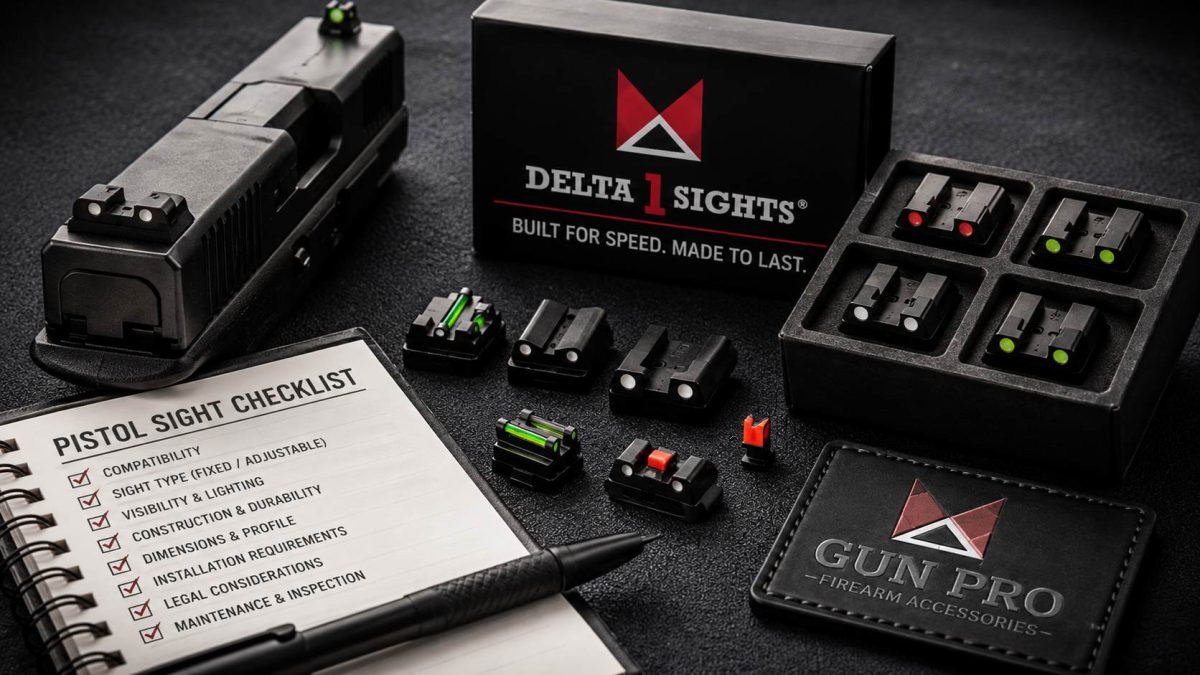
Owners should regularly assess their system and take out any equipment that is broken, out-of-date, superfluous, or unsuitable for their situation.
Making the biggest assortment of accessories is not the goal. The goal is to establish a responsible and controllable system.
Making Informed E-Commerce Decisions
Because buyers cannot physically verify every product before placing an order, online buying for weapon accessories requires extra care.
Research is the first step in a successful purchasing process. Examine the manufacturer’s information, go over the specifications, read the entire product description, and comprehend the retailer’s policies. Before making a purchase, get clarification if a crucial detail is lacking.
Additionally, customers should be aware of warranty details and return policies. For products where compatibility or intended usage are important considerations, these details may be particularly pertinent.
Instead of encouraging pointless purchases, a professional e-commerce experience should assist clients in making educated choices. That experience is enhanced by responsive customer service, clear product information, and open policies.
A Practical Safety-First Mindset
The best way to conceptualise accessories is as auxiliary tools in a broader framework of ethical ownership.
First and foremost, a gun owner should be aware of basic safety procedures. A more structured ownership routine can then be enhanced by storage, transportation, maintenance knowledge, training, legal compliance, and the right accessories.
This method of thinking alters how consumers assess goods. “What genuine safety or organisational need am I trying to address?” is a more responsible query than “What else can I add?”
That inquiry can promote more deliberate choices and lessen pointless purchases.
Final Thoughts
When selecting attachments for firearms, accountability should always come before convenience or style. Pistol Safety Accessories can contribute to a more comprehensive safety-focused ownership strategy, especially when they meet real demands related to safe storage, organization, transit, or responsible equipment management.
Customers looking to explore firearm accessories can do so online at Gun Pro, but it takes more than just perusing product pages to make an informed purchase. Customers should examine manufacturer information, comprehend relevant legislation, take into account their unique situation, and, if needed, seek expert professional advice.
The configuration with the most accessories isn’t always the strongest. It is the one based on regular safety procedures, safe storage, appropriate instruction, adherence to the law, and deliberate purchasing.
This safety-first strategy can assist anyone looking through Gun Pro’s product categories make better informed purchases and keep responsible weapon ownership at the forefront of every choice.
Frequently Asked Questions
What are Pistol Safety Accessories?
Products linked to safer, better-organized, or more responsible gun ownership are known as pistol safety accessories. Equipment for safe storage, transportation, organization, or other safety-related requirements may fall under this category, depending on the store and jurisdiction. Before buying or using a product, customers should always check its intended use and any related restrictions.
Why is secure storage important?
In houses where children, guests, or other people might be present, secure storage is especially crucial for preventing unwanted access. Firearm owners should be aware of and adhere to current local legislation as well as manufacturer suggestions for storage equipment because storage standards can differ by jurisdiction.
Can accessories replace firearm safety training?
No. Accessories cannot take the place of appropriate instruction or safe handling techniques. Owners can learn basic safety concepts and form good habits with the aid of qualified professional training. Instead of taking the place of training, safety equipment should enhance it.
Should I check local laws before purchasing an accessory?
Indeed. Laws pertaining to firearms differ between states and are subject to change. Customers should consult the relevant official sources to confirm the current regulations that apply to their area and situation before buying or shipping firearm-related goods.
How should I evaluate an accessory before purchasing?
After determining its intended use, go over manufacturer details, specifications, compatibility information, warranty details, and any relevant legal requirements. Instead of making assumptions if crucial information is unclear, get in touch with the manufacturer or retailer.
Why are manufacturer instructions important?
How a product should be used, stored, inspected, or maintained is explained in the manufacturer’s instructions. Observing those guidelines might lessen needless hazards and assist avoid abuse. Product documentation should be kept by customers for future use.
Is buying more accessories always better?
No. Having the most accessories is not a sign of responsible ownership. Each product should fit into an overarching safety-conscious ownership practice and have a defined function. Instead of addressing a real demand, superfluous equipment can add to the complexity.
What should new firearm owners prioritize?
Professional safety education, proper storage, knowledge of relevant legislation, and the development of responsible handling practices should be the top priorities for new owners. After addressing these foundations, accessory purchases should be made.
